 English
 русский
 Español
 Português
 عربى
عربى


What is the role of Zipcord fiber optic cables in modern data centers?
Data centers are the backbone of modern digital infrastructure, handling everything from cloud computing to data storage, network traffic, and high-speed communications. As data demands increase and technology evolves, the need for high-performance, reliable, and scalable network solutions has become even more pressing. One such solution that has become critical to the operations of modern data centers is the Zipcord Interconnect fiber optic cable.
Introduction to Zipcord Fiber Optic Cables
Fiber optic cables have been at the forefront of data transmission for many years, offering high-speed communication capabilities over long distances with minimal signal loss. Zipcord Interconnect fiber optic cables are a type of fiber optic cable known for their compact design and high flexibility, making them ideal for use in environments such as data centers.
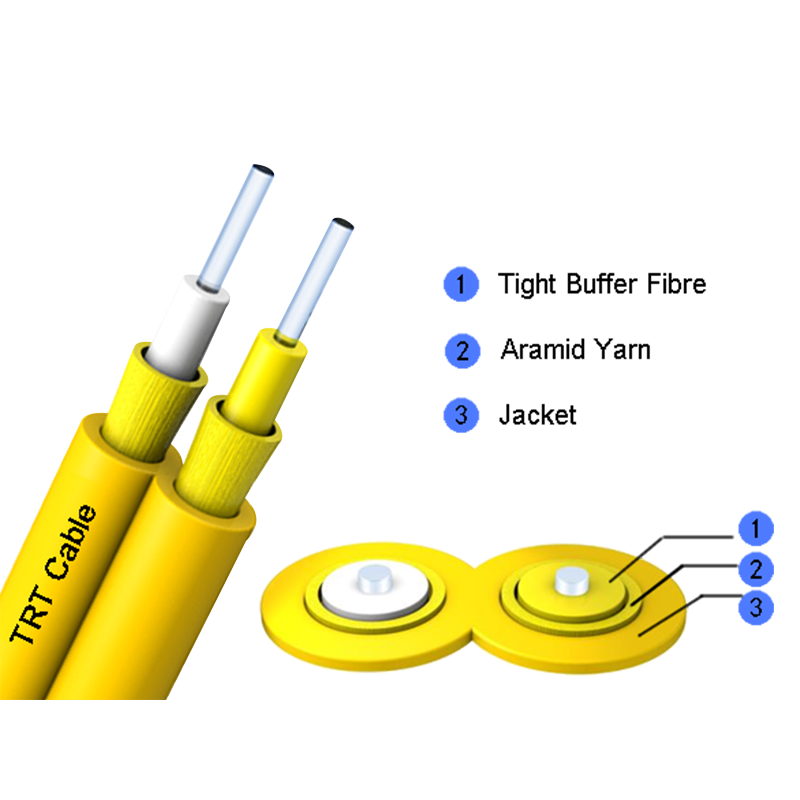
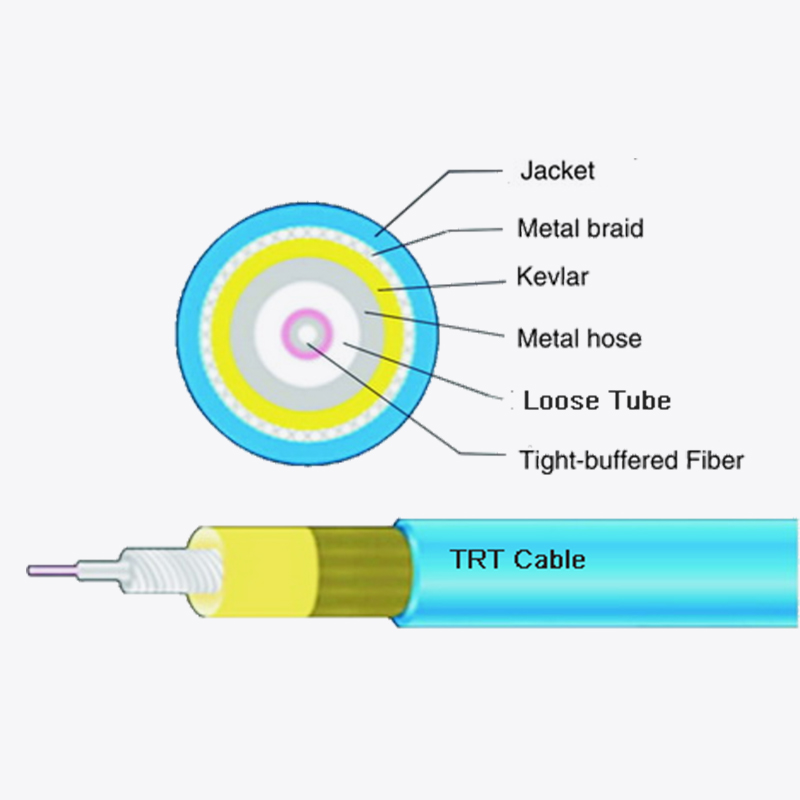
A Zipcord fiber optic cable typically consists of two fibers—one for sending signals and the other for receiving them—each covered by a protective outer jacket. This design ensures that Zipcord cables can be easily managed and routed within dense server racks or cabling trays while maintaining the necessary speed and reliability for data transmission.
Key Features and Advantages of Zipcord Fiber Optic Cables
1. High-Speed Data Transmission
Zipcord fiber optic cables support high-speed data transmission, making them an essential component in a data center’s infrastructure. With the rise of big data, cloud computing, and real-time analytics, the demand for faster and more reliable connections is at an all-time high. Zipcord cables can handle data rates of up to 40Gbps or more, making them suitable for both current and future bandwidth-intensive applications.
Key Points:
- High data rates: Support for multi-gigabit and terabit-speed transmission.
- Low latency: Ensures minimal delay in data delivery, which is essential for real-time applications.
2. Space Efficiency
Data centers are increasingly designed to optimize space usage. Zipcord fiber optic cables, with their compact and flexible design, allow for high-density cable management without compromising performance. Their small size makes them suitable for tight spaces, such as server racks, where managing large volumes of cables can become a challenge.
Key Points:
- Compact design: Helps maximize available space in racks and trays.
- Easy routing: Facilitates the organization of cabling in high-density environments.
3. Scalability
As data center needs evolve, the ability to scale infrastructure quickly and efficiently becomes crucial. Zipcord fiber optic cables provide a scalable solution that can easily accommodate future upgrades without the need for extensive re-cabling or downtime. This flexibility ensures that data centers can grow and adapt as technology advances.
Key Points:
- Future-proof: Compatible with future technologies and increased bandwidth demands.
- Easy expansion: New connections can be added without major disruptions.
4. Durability and Longevity
Durability is a key factor in selecting cables for a data center. Zipcord fiber optic cables are known for their robustness, withstanding wear and tear over time. The outer jackets are designed to resist damage from physical stress, making them suitable for environments with heavy cable management activities.
Key Points:
- Tough outer jackets: Resistant to abrasion and physical damage.
- Long lifespan: Ensures stable performance for years with minimal degradation.
Role of Zipcord Fiber Optic Cables in Network Architecture
Zipcord fiber optic cables play an integral role in the network architecture of modern data centers. They are primarily used in the following areas:
1. Backbone Connections
In a typical data center, the backbone refers to the primary network that interconnects various servers, switches, and other devices. Zipcord Interconnect fiber optic cables are often used in these backbone connections due to their ability to carry large amounts of data over long distances with minimal loss.
2. Horizontal Cabling
Horizontal cabling connects end-user devices or servers to the data center backbone. Zipcord fiber optic cables offer a flexible and cost-effective solution for horizontal cabling, providing high-speed connections between different parts of the data center without sacrificing performance.
3. Inter-Rack Connections
With multiple racks and servers in a data center, Zipcord fiber optic cables are ideal for inter-rack connections. Their flexibility and space-efficient design make them easy to install and manage within a high-density environment, reducing clutter and simplifying maintenance.
Design Considerations for Zipcord Fiber Optic Cables in Data Centers
1. Cable Selection Criteria
When selecting Zipcord fiber optic cables for a data center, several factors need to be considered:
- Fiber Type: Depending on the distance and bandwidth requirements, single-mode or multi-mode fibers are selected.
- Cable Jacket Material: Different environments may require specific jacket materials for flame retardancy, UV resistance, or outdoor usage.
- Connector Types: The choice of connectors, such as LC or SC, impacts installation and performance.
2. Installation Practices
Proper installation is key to ensuring the optimal performance of Zipcord fiber optic cables. Best practices include:
- Minimizing Bend Radius: Excessive bending can cause signal loss. Careful attention to bend radius is required.
- Cable Management: Utilizing cable trays and organizers to prevent tangling and damage.
- Testing: Before activation, Zipcord fiber optic cables should be thoroughly tested for integrity and performance.
Table: Comparison of Zipcord Fiber Optic Cables and Other Cable Types
| Feature | Zipcord Fiber Optic Cable | Copper Cable | Other Fiber Optic Cables |
|---|---|---|---|
| Data Transmission Speed | Up to 40Gbps+ | 1Gbps to 10Gbps | Varies, typically higher |
| Signal Loss | Low | High | Low |
| Size and Flexibility | Compact and Flexible | Bulky | Varies |
| Cost | Moderate | Low to Moderate | Moderate to High |
| Scalability | Highly Scalable | Limited | Varies |
| Durability | High | Moderate | High |
Summary
In summary, Zipcord fiber optic cables are crucial to the efficiency, scalability, and reliability of modern data centers. Their high-speed capabilities, space-saving design, and durability make them an ideal choice for a variety of network architectures. These cables support backbone, horizontal, and inter-rack connections while ensuring high performance and longevity.
As data centers continue to evolve to meet increasing demands, the role of Zipcord Interconnect fiber optic cables will only grow, providing the infrastructure needed for high-speed, high-density, and scalable data communication solutions.
FAQ
Q1: What is the maximum data transmission speed supported by Zipcord fiber optic cables?
A1: Zipcord fiber optic cables can support data transmission speeds of up to 40Gbps and beyond, making them suitable for high-bandwidth applications.
Q2: Can Zipcord fiber optic cables be used for both short-distance and long-distance connections?
A2: Yes, Zipcord fiber optic cables are available in both single-mode and multi-mode variants, allowing them to be used for both short-distance and long-distance connections.
Q3: How do Zipcord cables contribute to space efficiency in data centers?
A3: The compact and flexible design of Zipcord fiber optic cables allows for dense and organized cable management, maximizing available space in server racks and cabling trays.
References
- Smith, J. (2020). Fiber Optic Cable Standards and Installation Practices. Engineering Journal of Telecommunications, 12(4), 75-82.
- Brown, A., & White, L. (2019). The Role of Fiber Optics in Modern Data Centers. Network Technology Today, 29(6), 48-55.
- Miller, T. (2018). High-Speed Data Transmission for Data Centers. Telecommunications and Networking, 11(3), 92-100.
 Address:Zhong'an Road, Puzhuang Town, Suzhou City, Jiangsu Prov., China
 Phone:+86-189 1350 1815
 Tel:+86-512-66392923
 Fax:+86-512-66383830
 Email:[email protected]
 Wechat: xiaobin18913501815
 whatsapp: +86 18913501815

 0
0