
 English
 русский
 Español
 Português
 عربى
عربى


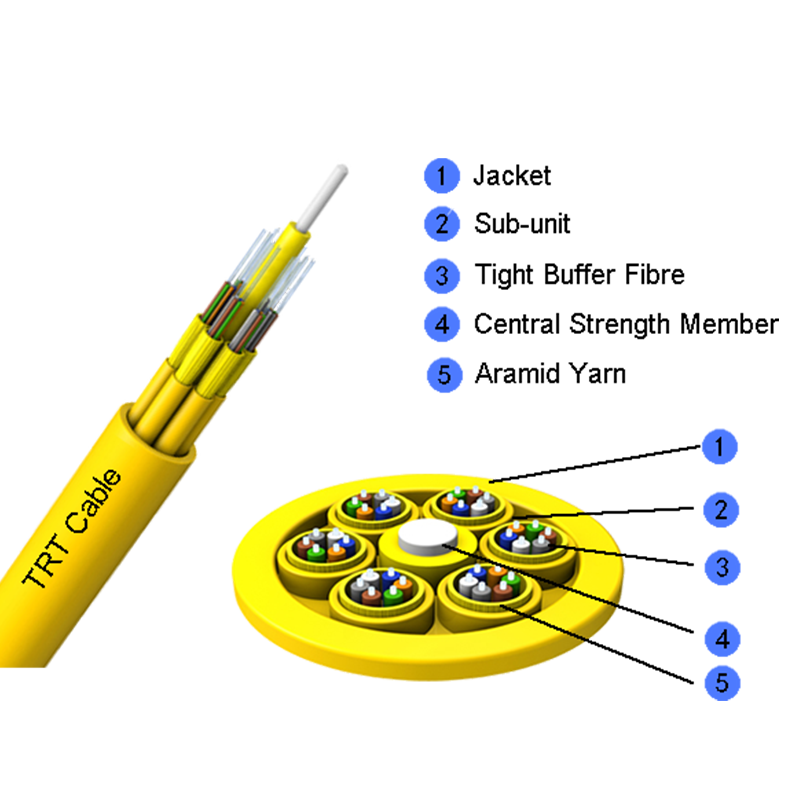
How to Choose the Right Multi-Purpose Distribution Cable for Your Project
Choosing the right multi-purpose distribution cable for your project is a critical decision that can impact the performance, longevity, and safety of the electrical system. A multi-purpose distribution cable is an essential part of modern infrastructure, enabling the transfer of power and data across various applications.
Key Considerations in Choosing a Multi-Purpose Distribution Cable
When selecting the appropriate multi-purpose distribution cable, several factors must be taken into account. These include cable material, insulation type, voltage rating, environmental conditions, and regulatory standards.
1. Cable Material Selection
The material of a multi-purpose distribution cable plays a crucial role in determining its conductivity, flexibility, and resistance to environmental factors. Common materials include copper, aluminum, and their alloys.
- Copper: Known for its high conductivity, copper cables are often preferred for applications requiring superior performance and minimal signal loss. Copper is also highly flexible, making it suitable for installations in confined spaces.
- Aluminum: While aluminum cables are less conductive than copper, they offer significant weight advantages, making them ideal for large-scale installations where weight is a consideration. Aluminum cables also tend to be more cost-effective compared to copper.
- Alloys: Certain alloy combinations, such as copper-clad aluminum, are designed to offer a balance between conductivity and weight, making them suitable for specific applications.
Table 1: Material Comparison for Multi-Purpose Distribution Cables
| Property | Copper | Aluminum | Copper-Clad Aluminum |
|---|---|---|---|
| Conductivity | High | Medium | Medium |
| Weight | High | Low | Medium |
| Durability | High | Medium | High |
| Cost | High | Low | Medium |
| Flexibility | High | Medium | High |
2. Insulation Type
Insulation is another critical factor when choosing a multi-purpose distribution cable. The insulation material determines the cable’s resistance to heat, moisture, chemicals, and mechanical stress.
- PVC (Polyvinyl Chloride): PVC insulation is widely used due to its excellent resistance to water, chemicals, and fire. It is cost-effective and suitable for most indoor applications.
- XLPE (Cross-Linked Polyethylene): XLPE insulation provides superior thermal performance and is commonly used in high-voltage systems. It is highly resistant to heat and chemicals.
- EPR (Ethylene Propylene Rubber): EPR insulation is ideal for cables that require flexibility and resistance to heat, making it suitable for industrial applications.
- Rubber: Often used in outdoor and industrial environments, rubber offers excellent resistance to mechanical wear and environmental stress.
3. Voltage Rating and Current Capacity
The voltage rating of a multi-purpose distribution cable determines the maximum voltage the cable can safely handle. It is essential to match the cable’s voltage rating to the voltage requirements of the system. In addition to voltage, the cable’s current-carrying capacity must be considered. This depends on the conductor material, insulation type, and the cross-sectional area of the wire.
- Low Voltage: Suitable for residential or light commercial applications.
- Medium Voltage: Used in industrial or utility applications where power transmission is at a medium voltage level.
- High Voltage: Designed for large-scale industrial power distribution systems.
Table 2: Voltage Rating Comparison for Distribution Cables
| Voltage Rating | Suitable Applications | Common Insulation Materials |
|---|---|---|
| Low Voltage | Residential, Light Commercial | PVC, EPR, Rubber |
| Medium Voltage | Industrial, Utility | XLPE, PVC |
| High Voltage | Large-Scale Power Systems | XLPE, EPR |
4. Environmental Conditions
The environmental factors in which a multi-purpose distribution cable will be installed are paramount when making a selection. Factors such as temperature, moisture, and exposure to chemicals can influence the performance and durability of the cable.
- Temperature: Cables are rated for specific temperature ranges. Ensure that the selected cable can withstand the operating temperature of the installation environment.
- Moisture: Cables exposed to high humidity or direct contact with water require moisture-resistant insulation materials such as PVC or XLPE.
- Chemical Exposure: Industrial applications may expose cables to corrosive chemicals, requiring specialized insulation such as rubber or cross-linked polyethylene.
5. Regulatory Compliance
It is essential for multi-purpose distribution cables to comply with local and international standards and regulations. These include safety standards (e.g., fire resistance), environmental standards (e.g., RoHS compliance), and quality certifications (e.g., UL, IEC).
- UL Certification: Ensures that the cable meets safety standards for use in the United States.
- IEC Standards: The International Electrotechnical Commission sets standards for electrical cables used worldwide.
- RoHS Compliance: Ensures that cables do not contain hazardous substances such as lead or mercury.
Conclusion
Selecting the right multi-purpose distribution cable for a project involves balancing multiple factors, including material selection, insulation type, voltage and current capacity, environmental conditions, and regulatory compliance. Engineers and decision-makers must consider the entire system to ensure optimal performance and longevity.
FAQ
-
What is the main difference between copper and aluminum distribution cables?
Copper offers higher conductivity and flexibility, while aluminum is lighter and more cost-effective, though it has lower conductivity. -
How do I determine the voltage rating for my distribution cable?
Match the cable’s voltage rating with the voltage requirements of your system, considering factors like installation environment and load. -
Can I use a PVC-insulated cable in high-temperature environments?
PVC has limited heat resistance, so for high-temperature environments, consider cables with XLPE or EPR insulation. -
What should I consider when installing distribution cables outdoors?
Choose cables with weather-resistant insulation, such as rubber or XLPE, and ensure they can withstand exposure to moisture and UV light. -
Are there regulations for using distribution cables in industrial applications?
Yes, ensure that cables comply with relevant safety and quality standards, such as UL and IEC, and adhere to local electrical codes.
References
- International Electrotechnical Commission (IEC). (2025). “Cables for Power Distribution.”
- Underwriters Laboratories (UL). (2025). “Safety Standards for Electrical Cables.”
- American National Standards Institute (ANSI). (2025). “Cabling and Electrical Distribution.”
 Address:Zhong'an Road, Puzhuang Town, Suzhou City, Jiangsu Prov., China
 Phone:+86-189 1350 1815
 Tel:+86-512-66392923
 Fax:+86-512-66383830
 Email:[email protected]
 Wechat: xiaobin18913501815
 whatsapp: +86 18913501815

 0
0