
 English
 русский
 Español
 Português
 عربى
عربى


What Are the Essential Components and Best Practices for FTTH Infrastructure Deployment?
1. Infrastructure Backbone: Key Hardware Components
The physical layer of a FTTH network relies on robust, weather-resistant hardware. Below are the critical elements that ensure signal integrity from the central office to the subscriber premises.
SMC series, IP68, 24-48 ports
Indoor/outdoor, up to 12 fibers
Dome type, 96 fibers capacity
Pre-polished, no epoxy
Factory-terminated, <0.2dB loss
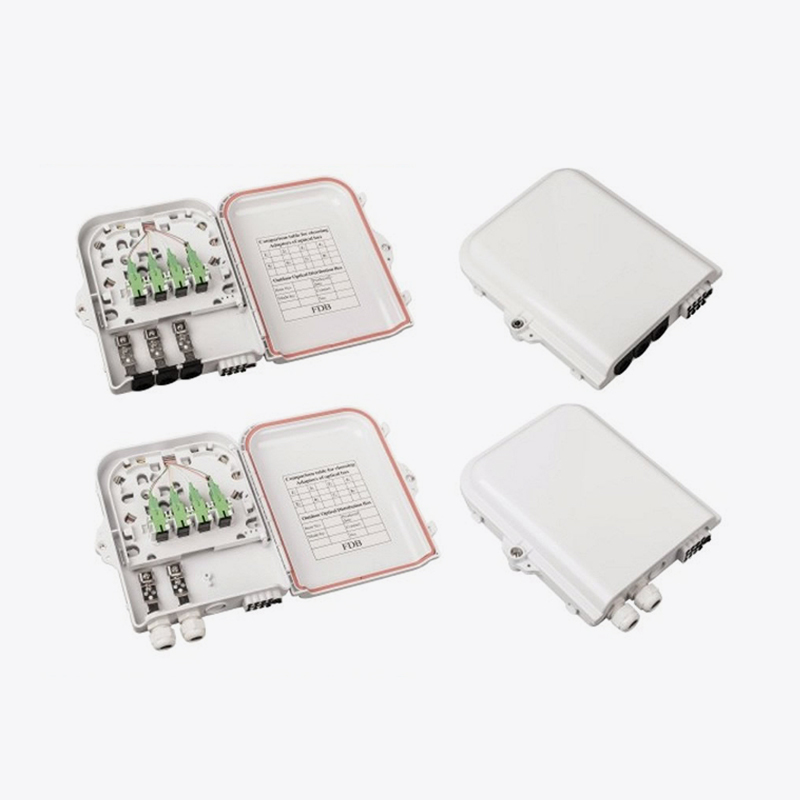
Fiber Optic Box-FTTH – The central distribution point, typically SMC (Sheet Molding Compound) material for high impact resistance and UV protection. Supports 24 to 48 subscriber drops.
FTTH Box-SMC Series – Engineered for extreme environments (-40°C to +85°C). Features integrated splice trays and cable management, reducing installation time by 30%.
2. Connecting the Dots: Fiber Optic Cable & Internet Delivery
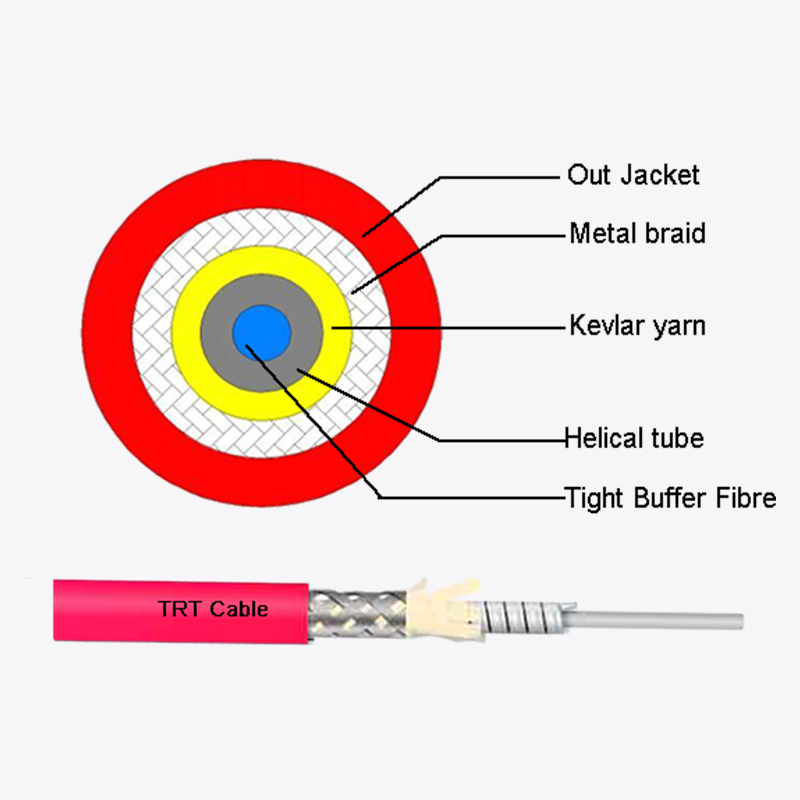
The actual transmission medium is fiber optic cable for internet, which delivers gigabit speeds with minimal latency. The choice between single-mode and multi-mode, as well as drop cable types (flat, round, or figure-8), directly impacts installation efficiency and long-term reliability.
G.657.A2 bend-insensitive fiber, allowing tight bends (7.5mm radius) in apartment buildings.
Supports 1G/10G PON, with future-proofing for 25G PON. Typical attenuation: 0.35dB/km at 1310nm.
Factory-terminated ends reduce field splicing errors and improve return loss (< -50dB).
FTTH Drop Cable Preference (2025 survey)
3. Terminal Box & Splice Closure: The Last Meter & Network Nodes
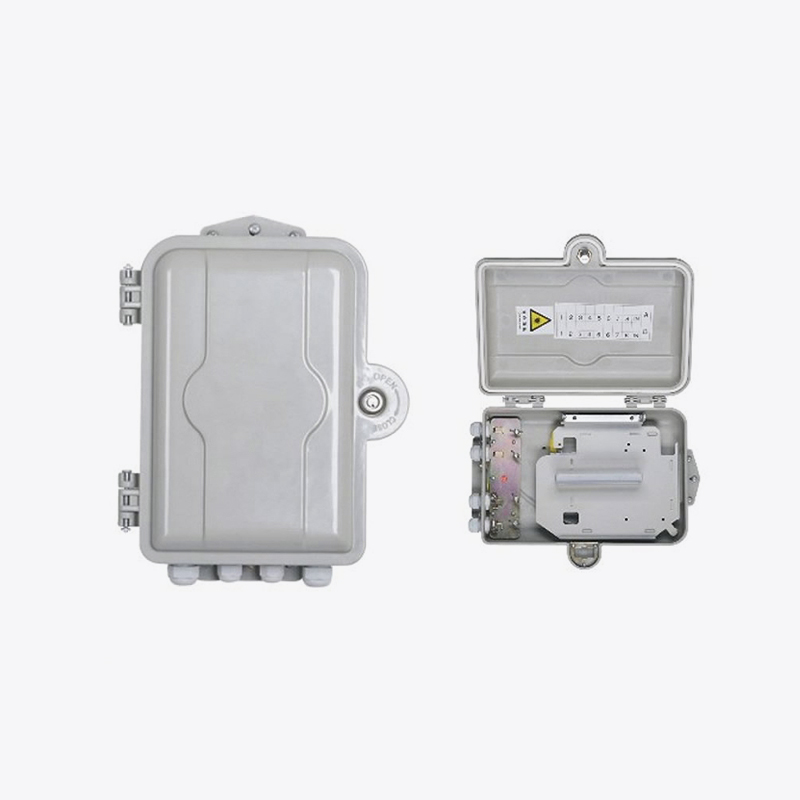
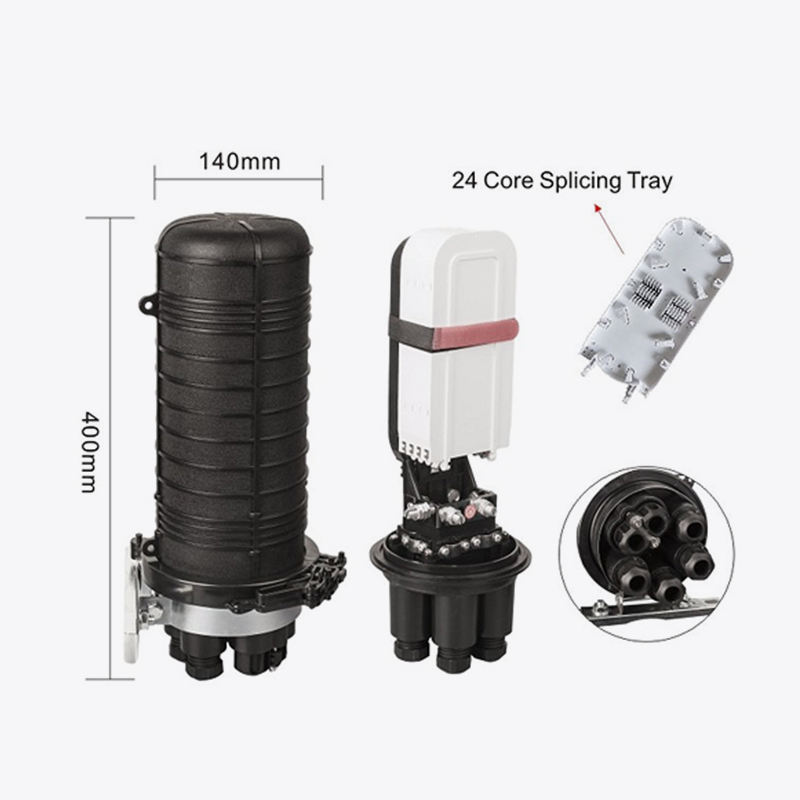
Fiber Optic Terminal Box serves as the demarcation point inside the subscriber premises, while Fiber Optic Splice Closure protects splices in outside plant (OSP) environments. Their installation quality directly affects the network's optical return loss and long-term stability.
Terminal Box (Indoor)
- Supports up to 12 SC/APC adapters
- Integrated splice tray for 4 splices
- Wall-mountable, compact design
Splice Closure (Outdoor)
- Dome or horizontal type, IP68
- Capacity: 24 to 144 fibers
- Re-enterable for maintenance

Typical FTTH Signal Flow
4. Connector Technology: FAST vs. Preconnector
Terminating fiber cables in the field is a critical step. The choice between FAST Connector (field-installable) and Preconnector (factory-terminated) affects labor cost, performance, and deployment speed.
FAST Connector
- Pre-polished ferrule, no epoxy
- Average insertion loss: 0.3dB
- Installation time: < 2 min
- Ideal for emergency repairs
Preconnector
- Factory polished & tested
- Insertion loss: ≤0.15dB
- Plug-and-play, zero field work
- Best for mass deployment
Performance Radar: FAST vs Preconnector
5. Deployment Strategies: Pre-terminated vs Field-terminated
Understanding the trade-offs between pre-terminated and field-terminated solutions is essential for FTTH network deployment. Preconnectorized cables reduce skilled labor requirements, while field termination offers flexibility for custom lengths.
Deployment Efficiency (per 100 drops)
How to install fiber optic drop cable – Best practice: use preconnectorized drop cables for aerial and underground last-mile connections. For indoor riser applications, field-termination with FAST connectors provides adaptability to varying wall thicknesses and conduit constraints.
Preconnector Adoption Trend (2022-2026)
6. Importance of Fiber Optic Closures & Terminal Box Installation
The importance of fiber optic closures cannot be overstated: they protect splices from moisture, dust, and temperature variations. Similarly, fiber optic terminal box installation must follow best practices to avoid macrobending and excessive strain on the pigtails.
- Closure sealing: use mechanical or heat-shrink seals, test for air pressure.
- Terminal box: organize fibers with minimum bend radius (30mm for G.657).
- Grounding and bonding: ensure metallic members are properly earthed.
Field data: Proper closure installation reduces annual network failure rates by 62% compared to unprotected splices. Using gel-sealed closures in humid environments extends splice life to over 25 years.
FAQ: FTTH Infrastructure & Connectivity
Q1: What is the typical lifespan of a fiber optic splice closure?
With proper sealing and strain relief, a high-quality closure can last 20-30 years in outdoor aerial or buried environments. Regular inspection (every 5 years) is recommended for gaskets and seals.
Q2: How does preconnectorized cable reduce installation time?
Preconnectorized cables eliminate the need for field polishing, epoxy curing, and cleaving. A typical field-terminated drop takes 15-20 minutes per end, while preconnectorized drops are plug-and-play, reducing time to under 3 minutes per connection.
Q3: What is the maximum distance for FTTH using single-mode fiber?
For GPON, the typical reach is 20 km with a 1:64 split ratio. With XGS-PON, distances up to 40 km are possible using class B+ optics. However, most urban deployments are within 5-10 km from the OLT.
Q4: Can FAST connectors be reused?
FAST connectors are generally designed for one-time use. Re-termination may degrade the mechanical splice performance. For permanent installations, preconnectorized solutions are more reliable.
Q5: How to test the quality of a field-terminated connector?
Use an optical power meter and light source to measure insertion loss, and an OTDR for reflectance. Acceptable loss for FAST connectors is <0.5dB, and return loss should be >40dB (APC).
 Address:Zhong'an Road, Puzhuang Town, Suzhou City, Jiangsu Prov., China
 Phone:+86-189 1350 1815
 Tel:+86-512-66392923
 Fax:+86-512-66383830
 Email:[email protected]
 Wechat: xiaobin18913501815
 whatsapp: +86 18913501815

 0
0