
 English
 русский
 Español
 Português
 عربى
عربى


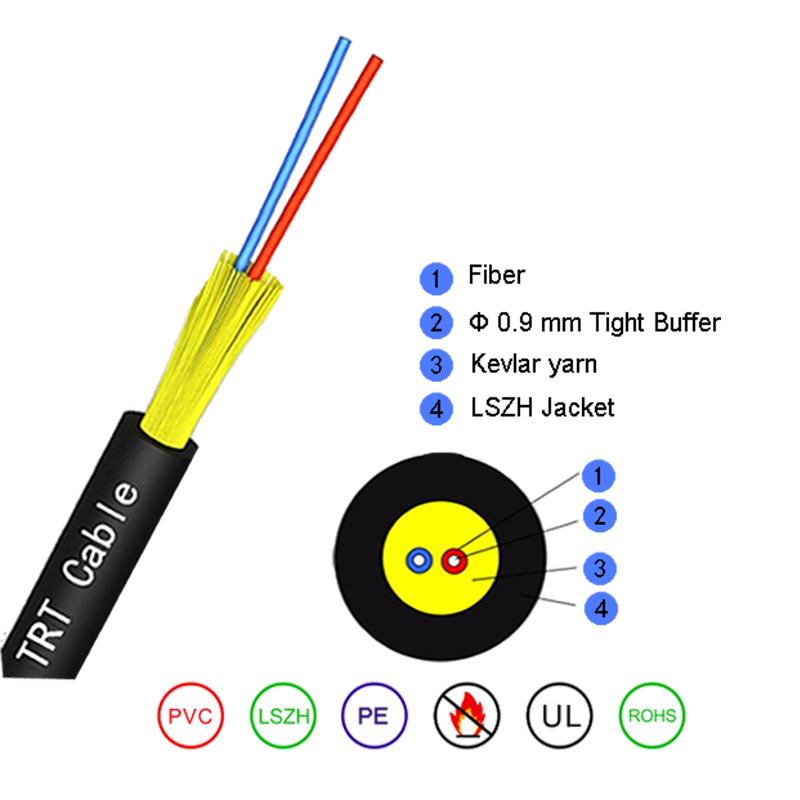
What are the advantages of using Round fiber optic cable over flat fiber cables for office networks?
In modern office environments, the choice of cabling infrastructure plays a pivotal role in network performance, reliability, and long-term maintainability. Among the various options available, Round fiber optic cable has emerged as a preferred solution for office networks, especially when compared to flat fiber cables. U
Overview of Round fiber optic cable in office networks
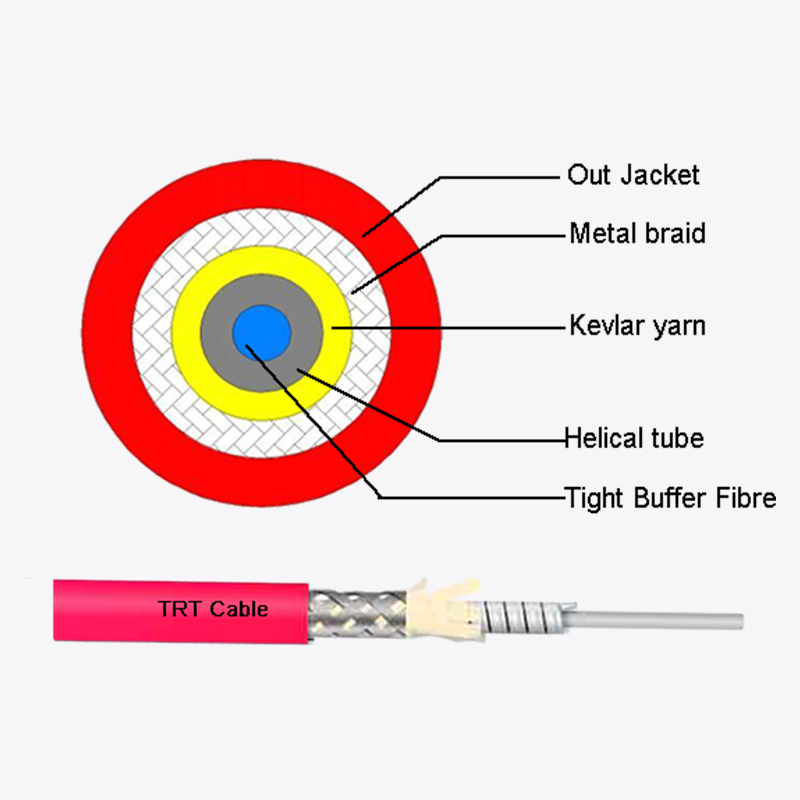
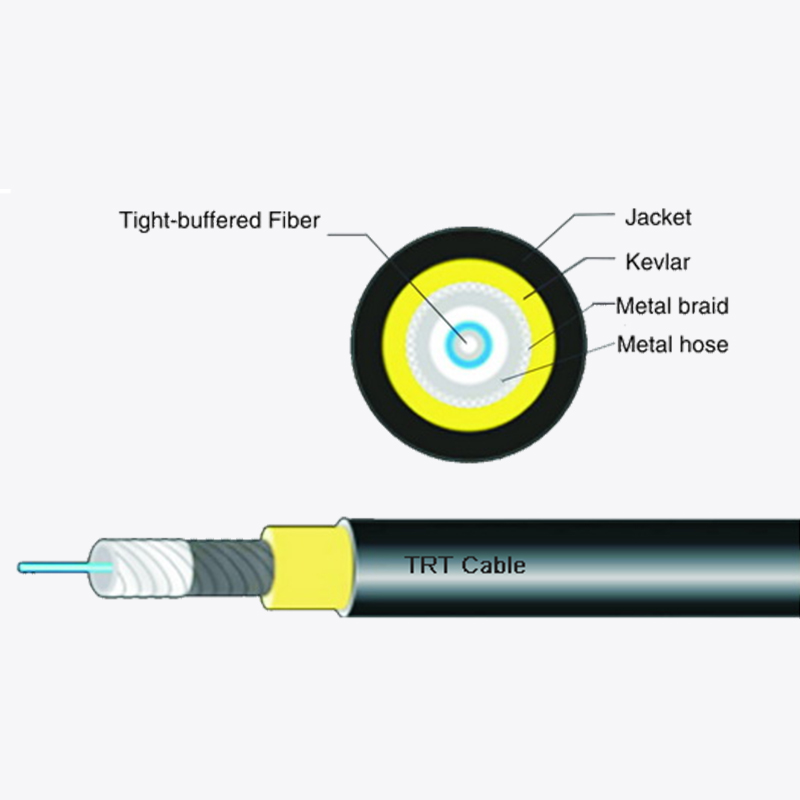
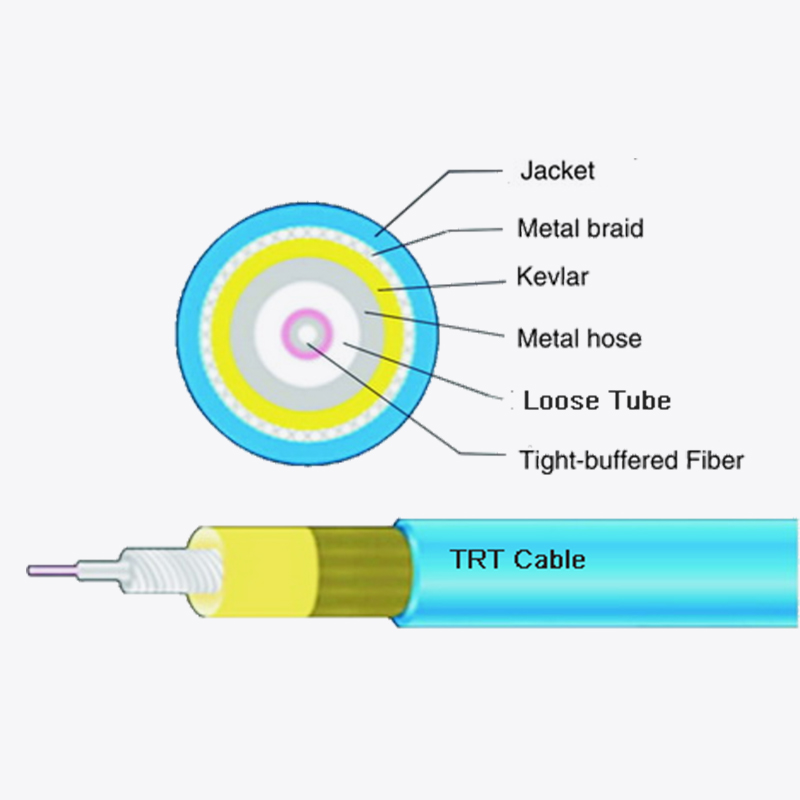
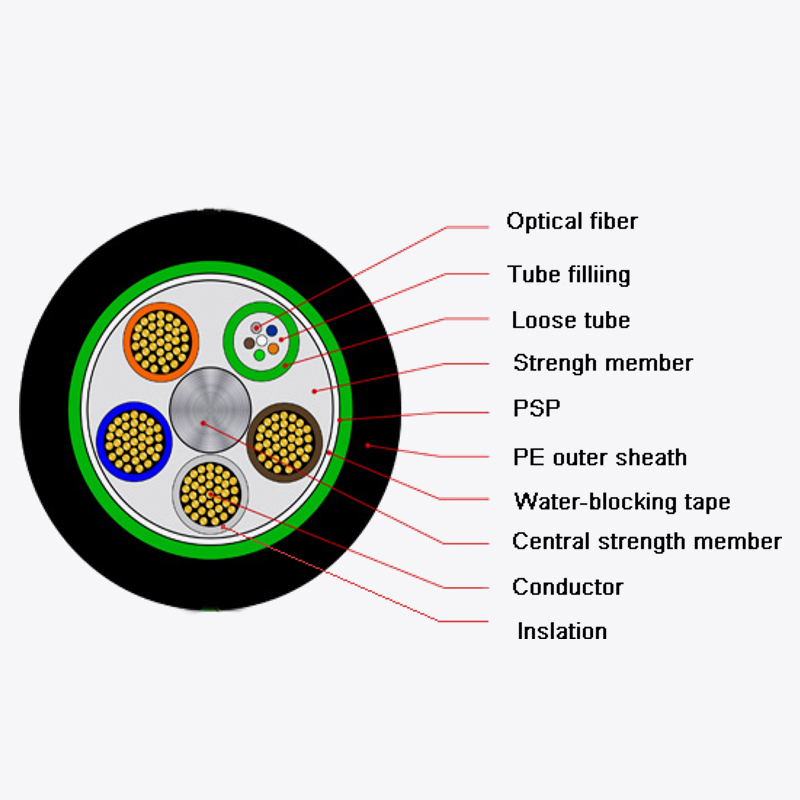
Round fiber optic cable is a type of optical cable where fibers are arranged within a circular or cylindrical jacket. This design differs significantly from flat fiber cables, which distribute fibers in a planar or ribbon-like configuration. The round geometry provides unique mechanical, installation, and performance benefits, making it particularly suitable for complex office layouts, high-density wiring closets, and long-distance intra-office connections.
Office networks demand high bandwidth, consistent signal integrity, and minimal downtime. Selecting the appropriate fiber optic cable type directly influences installation ease, flexibility, and overall network lifecycle costs. The Round fiber optic cable offers features that directly address these requirements, ensuring robust performance across diverse office environments.
Enhanced durability and mechanical protection
One of the most notable advantages of Round fiber optic cable is its enhanced durability. The circular jacket and buffer structure provide superior protection against mechanical stress, bending, and impact, which is particularly important in office environments where cables may pass through ceilings, conduits, or under raised floors. Unlike flat fiber cables, which can be more susceptible to damage when folded or compressed, round cables maintain structural integrity even under repeated handling.
The robust design of Round fiber optic cable reduces the likelihood of fiber breakage during installation or maintenance. This translates to lower operational risks and reduced maintenance costs over the cable’s lifespan. Additionally, the circular structure accommodates additional protective layers, such as armored jackets or water-resistant coatings, offering further resilience against environmental factors.
Improved flexibility and installation ease
Round fiber optic cable is widely recognized for its flexibility during installation. The circular geometry allows the cable to bend smoothly around corners, pass through conduits, and fit into tight spaces without compromising signal integrity. This flexibility is particularly advantageous in office environments with complex layouts or frequent reconfigurations.
In contrast, flat fiber cables can be more rigid and prone to microbending, which may lead to signal attenuation or even physical damage if handled improperly. Round fiber optic cable reduces installation challenges by accommodating tighter bend radii and maintaining consistent performance across various routing scenarios. This characteristic allows IT teams to deploy networks faster and with fewer installation errors, contributing to overall cost efficiency.
Consistent optical performance
The structure of Round fiber optic cable ensures consistent optical performance across all fibers. By organizing fibers within a round buffer and jacket, the cable minimizes differential stress and potential microbends that can degrade signal transmission. This design advantage is critical in office networks where high-speed data transmission, voice, and video traffic coexist.
Flat fiber cables, while compact, can experience uneven stress distribution when bent or stacked, potentially causing variable attenuation across fibers. Round fiber optic cable, by contrast, maintains a more uniform stress profile, ensuring reliable data transfer and reducing the likelihood of network downtime. This makes round cables particularly suitable for high-density backbone connections and mission-critical office applications.
Compatibility with industry-standard connectors
Another practical advantage of Round fiber optic cable lies in its compatibility with a wide range of standard connectors and patching systems. Round fiber cables are generally easier to terminate with LC, SC, ST, and MPO connectors, which are commonly used in office networks. Their cylindrical geometry facilitates precise alignment and secure connections, reducing signal loss and improving overall network efficiency.
Flat fiber cables often require specialized connectors or handling techniques, which can complicate installation and increase labor costs. Using Round fiber optic cable ensures that office networks can be integrated seamlessly with existing patch panels, distribution frames, and networking equipment, enhancing both scalability and future-proofing.
Scalability and network expansion
Office networks are dynamic, with periodic expansions, relocations, or upgrades. The Round fiber optic cable offers superior scalability due to its structured design and ease of handling. Additional fibers can often be incorporated within existing round cables, or parallel runs can be installed without creating bulky or unmanageable cable bundles.
Flat fiber cables, while thin and space-efficient in some configurations, can be less adaptable in large-scale network expansions. The flexibility and standardized construction of Round fiber optic cable make it easier to plan for growth, allowing IT managers to accommodate higher fiber counts and longer cable runs without compromising performance.
Environmental adaptability
Office environments vary in temperature, humidity, and exposure to light or dust. Round fiber optic cable often comes with enhanced protective jackets that provide resistance to UV light, moisture, and abrasion, making it suitable for both indoor and transitional indoor-outdoor applications. Its design also allows for easier integration of armored or water-blocked variants, further extending the cable’s usability in diverse settings.
Flat fiber cables are generally more sensitive to environmental stress due to their exposed fiber arrangement, which can lead to higher maintenance requirements or premature degradation. By choosing Round fiber optic cable, organizations benefit from a longer service life and fewer network interruptions caused by environmental factors.
Cost-effectiveness over lifecycle
While the initial procurement cost of Round fiber optic cable may be comparable to or slightly higher than flat alternatives, the long-term cost benefits are significant. Reduced installation labor, lower risk of damage, higher durability, and easier network management contribute to overall cost savings. Organizations can achieve higher return on investment by minimizing network downtime and reducing maintenance interventions.
The combination of mechanical resilience, ease of handling, and compatibility with standard connectors ensures that office networks remain operationally efficient while requiring fewer resources for ongoing support.
Comparative summary: round vs. flat fiber cables
| Feature | Round fiber optic cable | Flat fiber cable |
|---|---|---|
| Mechanical protection | High | Moderate |
| Bend flexibility | Excellent | Limited |
| Installation ease | Simplified | More complex |
| Connector compatibility | High | Requires specialized handling |
| Signal integrity | Consistent | Variable under stress |
| Scalability | Easy | Limited in expansion |
| Environmental resistance | Robust | Moderate |
The table above summarizes the key distinctions, highlighting why Round fiber optic cable is often the preferred choice for office networks. Its superior mechanical design, flexibility, and reliability make it suitable for both current requirements and future network growth.
Conclusion
Choosing the right cabling infrastructure is a critical decision for office network performance and longevity. Round fiber optic cable offers clear advantages over flat fiber cables, including enhanced durability, flexible installation, consistent optical performance, broad connector compatibility, environmental resilience, and cost-effectiveness. These characteristics make round cables an ideal choice for IT managers, network designers, and procurement teams seeking reliable, scalable, and efficient solutions for modern office environments.
By understanding the benefits of Round fiber optic cable and considering long-term network requirements, organizations can implement robust office networks that minimize downtime, reduce maintenance costs, and accommodate future expansions with confidence.
 Address:Zhong'an Road, Puzhuang Town, Suzhou City, Jiangsu Prov., China
 Phone:+86-189 1350 1815
 Tel:+86-512-66392923
 Fax:+86-512-66383830
 Email:[email protected]
 Wechat: xiaobin18913501815
 whatsapp: +86 18913501815

 0
0