
 English
 русский
 Español
 Português
 عربى
عربى


How to Select the Right Waterproof Pig-tail Fiber Optic Cable for Outdoor Use
Introduction
In the fast-evolving landscape of communication and data transmission, selecting the right fiber optic cable is essential for ensuring long-term system performance, especially when the installation site is exposed to harsh environmental conditions. When it comes to outdoor applications, Waterproof Pig-tail Fiber Optic Cables have emerged as a critical component, enabling reliable signal transmission even in challenging environments. These cables are designed to maintain the integrity of the optical signals while providing protection against moisture, extreme temperatures, and other outdoor factors.
Selecting the right Waterproof Pig-tail Fiber Optic Cable requires careful consideration of several factors to meet the technical requirements of a given outdoor application.
1. Understanding the Basics of Waterproof Pig-tail Fiber Optic Cables
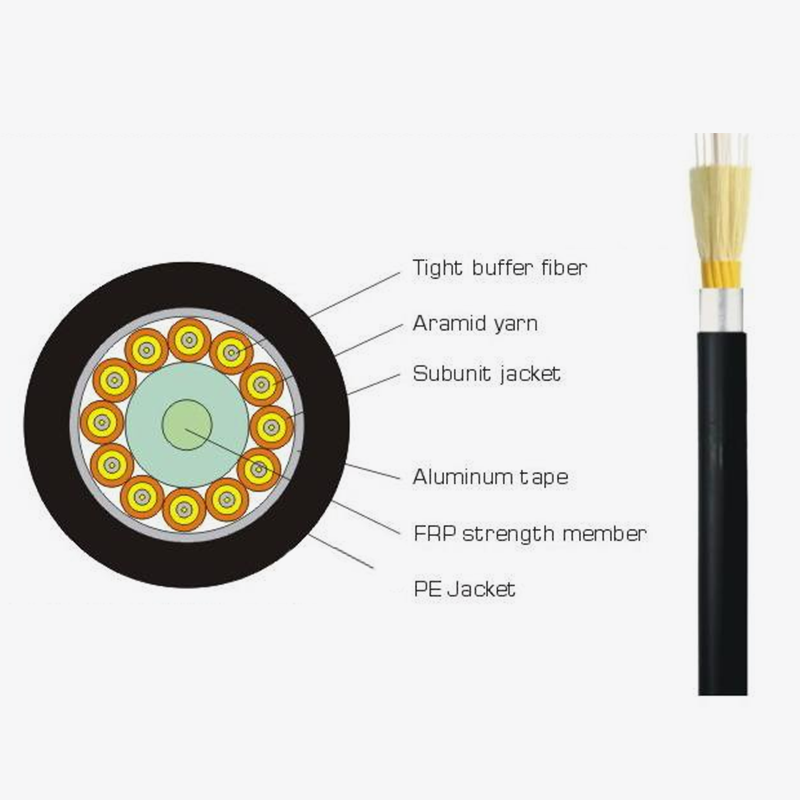
Before delving into the selection criteria, it is important to understand the components and functionalities of Waterproof Pig-tail Fiber Optic Cables. A pig-tail cable typically consists of a short piece of fiber optic cable with one end terminated and the other end left open for splicing or connecting to other components. When used in outdoor environments, these cables are often protected with additional waterproofing materials, ensuring resilience against water ingress, moisture accumulation, and damage due to environmental factors.
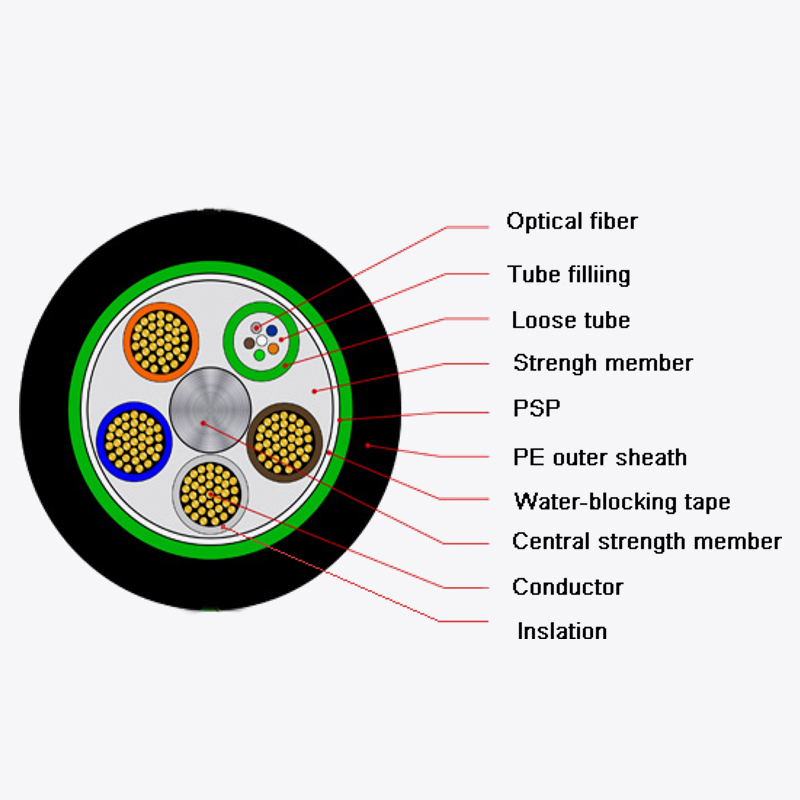
Key Components of Waterproof Pig-tail Fiber Optic Cables:
- Fiber Optic Core: The central element responsible for signal transmission.
- Cladding and Buffer Coating: Layers that provide additional strength and protect the core.
- Waterproof Jacket: A protective layer made of robust, waterproof materials to shield the cable from external moisture.
- Strength Members: Materials used to provide mechanical protection to prevent damage from tension or impacts.
- Connector: The termination point that allows for splicing or connecting the cable to other fiber optic systems.
2. Identifying Outdoor Application Requirements
Choosing the right Waterproof Pig-tail Fiber Optic Cable begins by understanding the unique needs of the outdoor installation environment. Several factors influence cable performance, including environmental conditions, physical space constraints, and desired transmission speeds.
2.1 Environmental Conditions
Outdoor environments often subject cables to extreme temperatures, humidity, and even exposure to chemicals or UV radiation. These conditions can degrade the performance and longevity of cables if not properly accounted for.
- Temperature Extremes: Consider whether the cable will be exposed to freezing or extremely high temperatures, as this affects the material’s flexibility and durability.
- UV Resistance: Outdoor cables should be resistant to UV radiation to prevent degradation over time. Look for materials that have UV-resistant properties to avoid the brittleness that can result from prolonged sunlight exposure.
- Chemical Resistance: In some applications, such as industrial or coastal settings, exposure to harsh chemicals or saltwater is a concern. Ensure the cable’s jacket material can withstand such conditions.
- Moisture Resistance: Cables used in areas prone to water exposure, such as underground installations or locations near water bodies, must provide a high level of waterproofing to prevent signal loss or damage.
2.2 Installation Requirements
Outdoor installations may require special considerations related to cable routing, splicing, and protection. Installation areas such as conduits, underground tunnels, or open-air installations may demand different characteristics from the cables.
- Conduit or Direct Burial: Determine whether the cable will be installed in conduit or directly buried. Waterproof Pig-tail Fiber Optic Cables used for direct burial should have enhanced durability and water resistance to prevent moisture ingress.
- Splicing and Termination: For installations involving splicing, ensure the Waterproof Pig-tail Fiber Optic Cable has appropriate connectors and is compatible with your existing network architecture.
3. Key Factors for Selection
When selecting the right Waterproof Pig-tail Fiber Optic Cable for outdoor use, several critical parameters should be evaluated:
3.1 Waterproofing Standards
Different manufacturers and products may adhere to various standards for waterproofing. Understanding these standards is crucial to ensuring the cable performs as expected in outdoor environments.
- IP Rating (Ingress Protection): This rating indicates the degree of protection the cable offers against dust and water. A cable with a higher IP rating (e.g., IP67) is more suitable for environments exposed to substantial water or moisture.
- Water-blocking Technology: Look for cables that employ water-blocking materials within the cable jacket to prevent moisture from traveling along the length of the cable.
3.2 Cable Construction
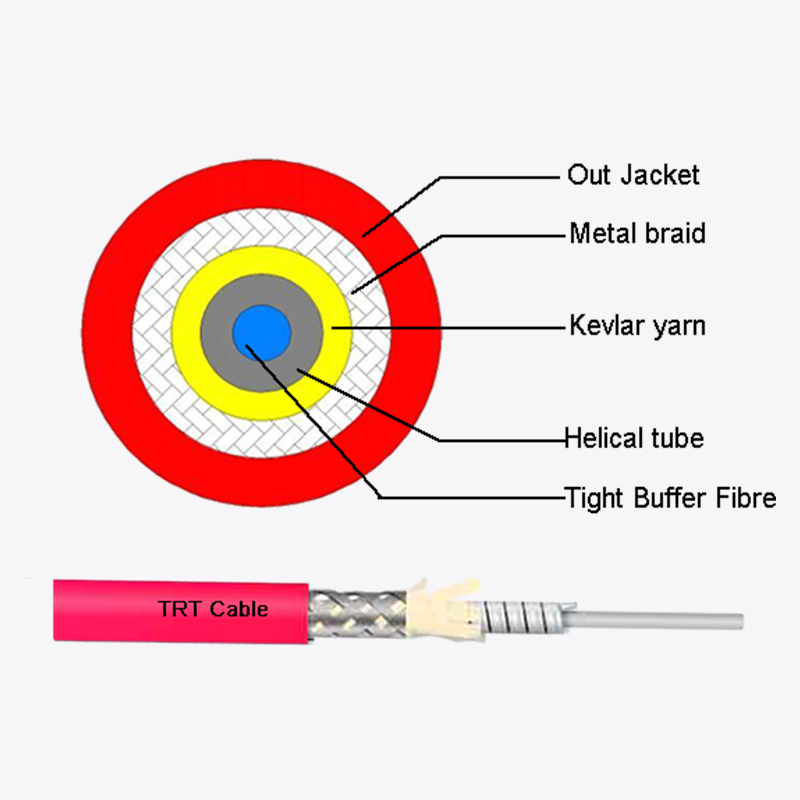
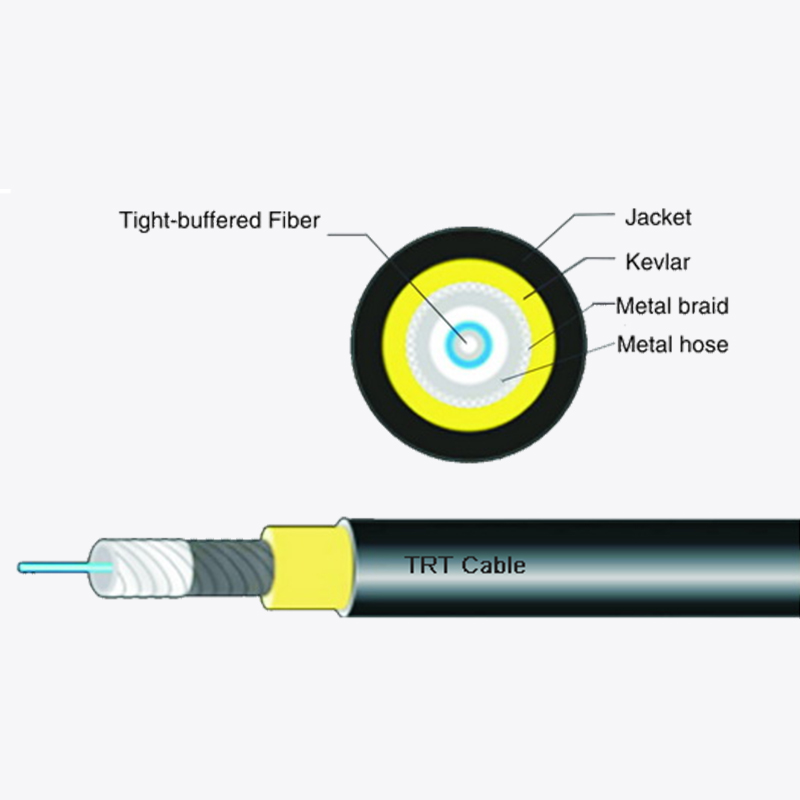
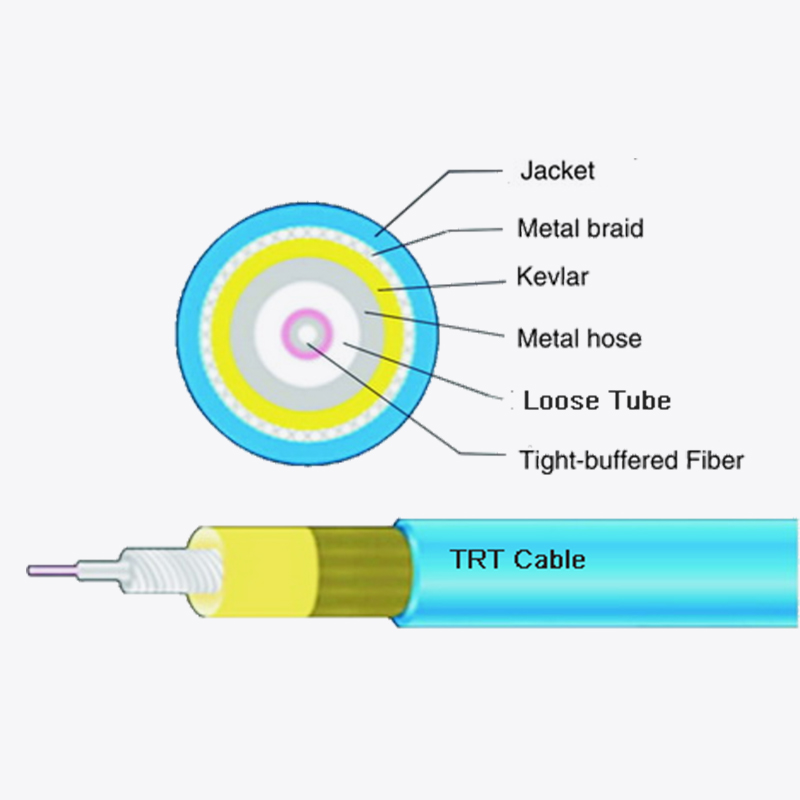
The construction of the Waterproof Pig-tail Fiber Optic Cable is paramount for ensuring the mechanical strength and protection of the fiber. This includes the outer jacket material, strength members, and whether the cable design allows for easy handling and installation in challenging environments.
- Jacket Material: Polyethylene (PE) and thermoplastic elastomers are commonly used materials that offer excellent weather resistance. For highly demanding applications, consider cables with armoring for extra protection.
- Strength Members: These components are designed to increase the tensile strength of the cable and prevent breakage or deformation. Cables used in outdoor applications should have robust strength members to avoid mechanical failure.
3.3 Performance Specifications
It is essential to select cables that meet the required performance criteria for outdoor applications, including the necessary bandwidth and signal transmission capabilities.
- Transmission Loss: Ensure the cable maintains low transmission loss over long distances, as high losses can lead to signal degradation.
- Data Rate Compatibility: The cable should support the data rates required by the application. For example, 10GbE or even 40GbE networks may demand high-quality fiber cables.
3.4 Durability and Longevity
Outdoor cables are often subjected to severe wear and tear, including abrasion, UV exposure, and temperature fluctuations. Choosing a cable with superior durability ensures a longer service life and fewer maintenance requirements.
- UV Protection: Cables used in outdoor applications must be UV-resistant to ensure long-term performance in environments exposed to sunlight.
- Abrasion Resistance: Evaluate whether the cable design includes abrasion-resistant coatings to protect the cable from physical damage due to rough surfaces or external forces.
4. Cable Selection Process
To ensure you select the right Waterproof Pig-tail Fiber Optic Cable, follow these steps:
- Assess the Environmental Requirements: Determine the environmental factors such as temperature extremes, exposure to moisture, and UV radiation.
- Determine Installation Method: Decide if the cable will be installed in a conduit, direct burial, or in an aerial installation.
- Choose the Right Waterproofing Standard: Based on the environmental factors, select a cable with the appropriate IP rating and water-blocking features.
- Select Performance Specifications: Ensure that the selected cable supports the necessary transmission rate and distance requirements.
- Consider Durability Features: Choose cables with high durability features such as UV protection and abrasion resistance for long-term reliability.
5. Conclusion
Selecting the right Waterproof Pig-tail Fiber Optic Cable for outdoor use is a complex process that requires a detailed understanding of environmental conditions, installation methods, and performance criteria. By carefully considering factors such as waterproofing standards, cable construction, and performance specifications, engineers and technical managers can ensure that the selected cable will provide reliable performance over the long term, even in the harshest outdoor environments. This ensures that the fiber optic network remains robust, resilient, and capable of delivering high-quality signals for various applications.
FAQ
Q1: How can I determine the ideal waterproofing level for my outdoor application?
- The ideal waterproofing level depends on the level of moisture exposure. If the cable will be in a wet environment or submerged, choose a cable with an IP67 or higher rating.
Q2: Can I use waterproof pig-tail fiber optic cables for direct burial installations?
- Yes, waterproof pig-tail fiber optic cables designed for direct burial typically feature enhanced waterproofing and durable construction.
Q3: What type of jacket material is best for outdoor fiber optic cables?
- Polyethylene (PE) is commonly used for outdoor cables due to its excellent weather resistance and durability.
References
- “Fiber Optic Cable Selection for Harsh Environments,” Fiber Optic Association, 2022.
- “IP Ratings and Outdoor Cables,” Telecommunications Standards, 2023.
- “Materials and Construction of Outdoor Fiber Optic Cables,” Journal of Fiber Optic Communications, 2023.
 Address:Zhong'an Road, Puzhuang Town, Suzhou City, Jiangsu Prov., China
 Phone:+86-189 1350 1815
 Tel:+86-512-66392923
 Fax:+86-512-66383830
 Email:[email protected]
 Wechat: xiaobin18913501815
 whatsapp: +86 18913501815

 0
0