
 English
 русский
 Español
 Português
 عربى
عربى


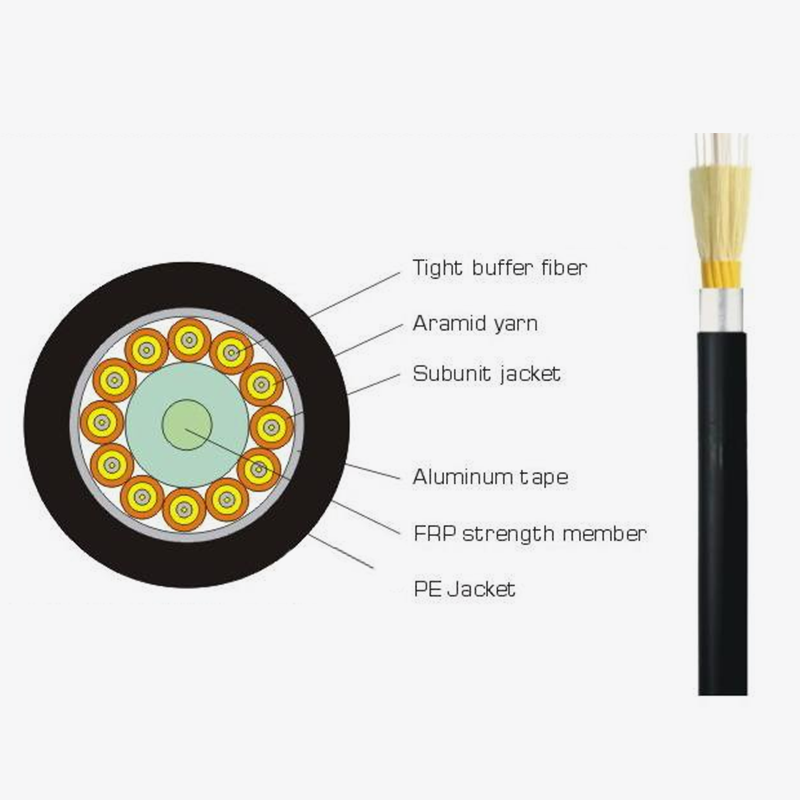
How To Ensure The Waterproof Pig-tail Fiber Optic Cable Meets Outdoor Installation Requirements?
Ensuring that a waterproof pig-tail fiber optic cable meets outdoor installation requirements is a critical consideration for telecommunications, networking, and industrial projects. Outdoor environments present various challenges, including exposure to moisture, temperature fluctuations, UV radiation, and mechanical stress. A comprehensive understanding of the cable’s properties, installation practices, and environmental compatibility is essential for achieving reliable performance.
Understanding Waterproof Pig-tail Fiber Optic Cable
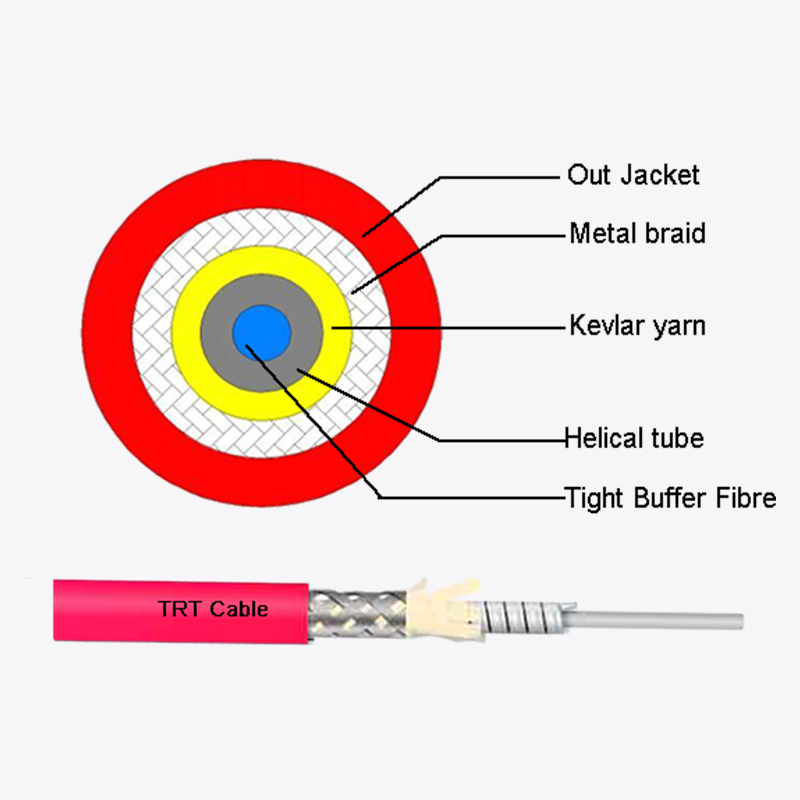
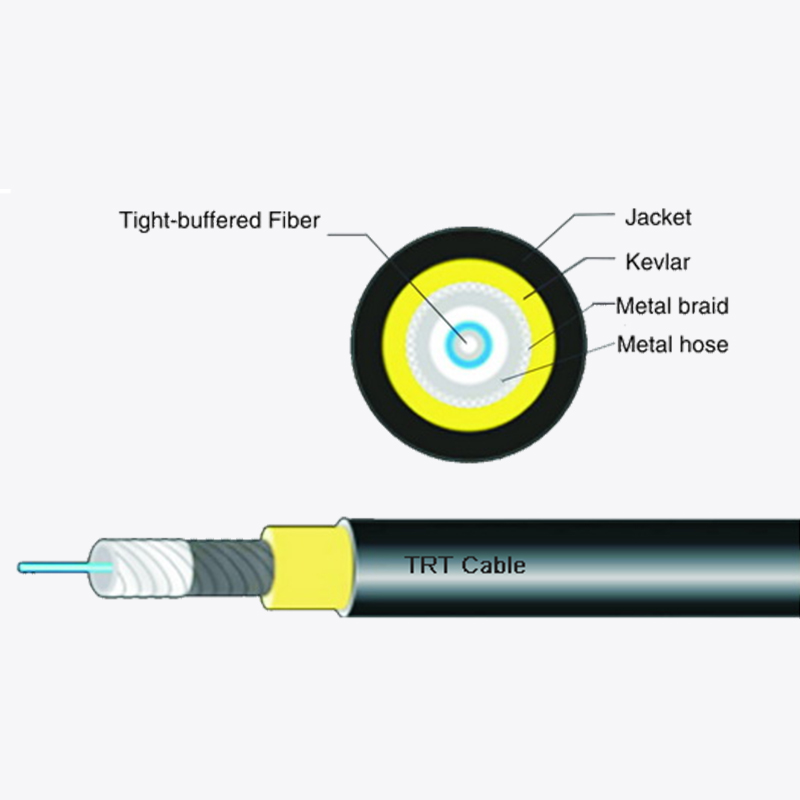
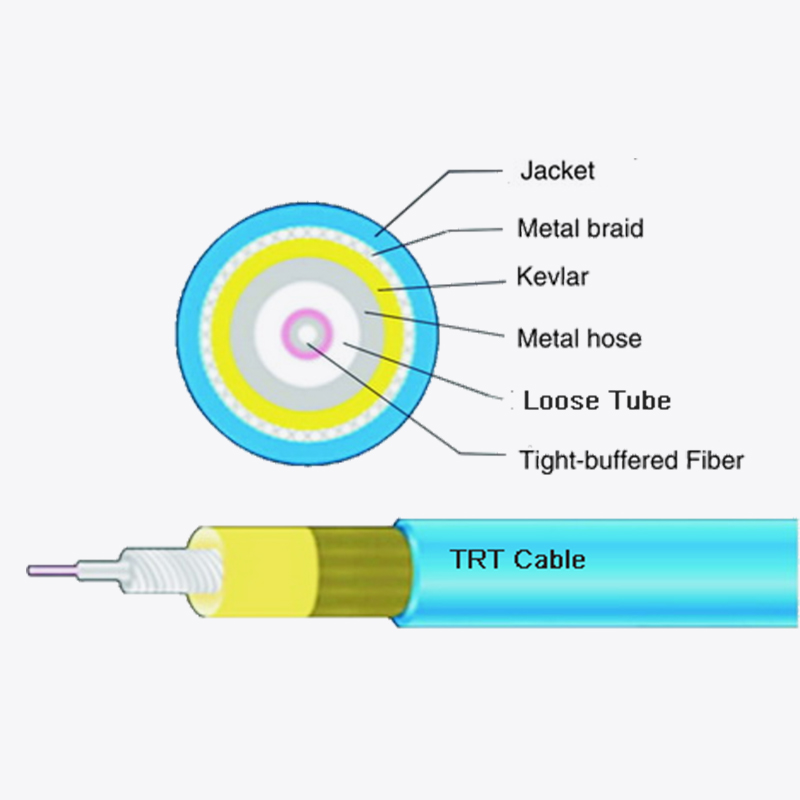
A waterproof pig-tail fiber optic cable is a specialized fiber optic component designed to maintain signal integrity in wet or harsh conditions. It typically consists of a single or multi-mode optical fiber, protected by a waterproof jacket and sealed connectors. Unlike standard fiber optic cables, these pig-tail cables are engineered to prevent water ingress, thereby ensuring uninterrupted data transmission. Common applications include outdoor network terminations, fiber-to-the-home (FTTH) connections, and industrial sensor systems.
Key aspects that define the performance of a waterproof pig-tail fiber optic cable include waterproof rating, fiber type, connector integrity, and mechanical resilience. Understanding these parameters is essential for selecting the correct cable for outdoor deployment.
Environmental Factors Affecting Outdoor Performance
The durability of a waterproof pig-tail fiber optic cable outdoors depends on its ability to withstand environmental stressors. These factors include:
- Moisture and Water Exposure: Outdoor cables are exposed to rain, snow, humidity, and condensation. The cable’s jacket must prevent water penetration into the fiber core.
- Temperature Variations: Seasonal and daily temperature changes can cause expansion and contraction, affecting the integrity of the cable and connectors.
- UV Radiation: Continuous exposure to sunlight can degrade certain plastics and reduce cable lifespan if the outer sheath is not UV-resistant.
- Mechanical Stress: Wind, vibration, and accidental impacts can compromise the structural integrity of the cable.
- Chemical Exposure: In industrial areas, exposure to corrosive chemicals or pollutants can deteriorate the cable material.
To ensure reliable operation, each of these factors must be carefully considered during cable selection and installation.
Selection Criteria for Outdoor Installation
Choosing the appropriate waterproof pig-tail fiber optic cable is the first step in ensuring outdoor installation success. Several criteria should guide the selection process:
- Waterproof Rating: Cables are typically rated according to IP (Ingress Protection) standards. For outdoor use, an IP67 or higher rating is recommended to ensure protection against dust and temporary immersion in water.
- Fiber Type: Single-mode fibers are preferred for long-distance outdoor transmission, whereas multi-mode fibers are suitable for shorter distances. Selection depends on the network’s bandwidth requirements.
- Jacket Material: Outdoor cables often use UV-resistant, flame-retardant polyethylene jackets to withstand sunlight and temperature extremes.
- Connector Quality: The cable connectors must be factory-sealed or field-terminated with waterproof boots to prevent water ingress.
- Mechanical Strength: Tensile strength and bend radius must be considered to prevent damage during installation and in situ.
The following table provides a comparative overview of key specifications for waterproof pig-tail fiber optic cable suitable for outdoor deployment:
| Specification | Recommended Value | Remarks |
|---|---|---|
| Waterproof Rating | IP67 or higher | Ensures protection against immersion and dust |
| Fiber Type | Single-mode or Multi-mode | Based on transmission distance and bandwidth |
| Outer Jacket Material | PE or UV-resistant LSZH | Protects against sunlight and mechanical abrasion |
| Connector Type | SC/APC, LC/APC, ST with waterproof boot | Must maintain sealing integrity after installation |
| Operating Temperature Range | -40°C to 85°C | Suitable for outdoor temperature extremes |
| Minimum Bend Radius | ≥10× cable diameter | Reduces signal attenuation |
Installation Best Practices
Proper installation of waterproof pig-tail fiber optic cable is essential to maintain performance and longevity. The following practices are recommended:
- Pre-Installation Inspection: Verify that the cable, connectors, and protective components are free of defects. Check for any damage to the jacket or fiber core.
- Routing and Support: Avoid sharp bends or kinks by maintaining the minimum bend radius. Use cable trays or conduits for support and protection.
- Sealing Techniques: Ensure connectors are fully sealed using factory-provided boots or approved field sealing kits. This prevents water ingress at termination points.
- Anchoring: Secure cables against vibration, wind, or accidental pulling. Anchoring reduces mechanical stress on connectors and splices.
- Environmental Considerations: When routing near chemical exposure or high UV areas, select cable jackets specifically rated for these conditions.
- Testing After Installation: Perform optical power loss tests to confirm that the cable meets performance standards. OTDR (Optical Time Domain Reflectometer) testing can identify any points of signal degradation.
The following table summarizes installation considerations and recommended practices:
| Installation Aspect | Recommended Practice | Importance |
|---|---|---|
| Pre-Installation Check | Inspect for defects and damage | Prevents early failures |
| Routing | Maintain bend radius and use conduits | Protects fiber from mechanical stress |
| Connector Sealing | Use waterproof boots or sealing kits | Prevents moisture ingress |
| Anchoring | Secure at regular intervals | Reduces strain and vibration |
| Environmental Protection | Use UV-resistant jackets near sunlight or chemicals | Extends service life |
| Performance Testing | OTDR and power loss tests post-installation | Confirms reliable signal transmission |
Long-Term Maintenance and Monitoring
Ensuring outdoor reliability of waterproof pig-tail fiber optic cable extends beyond installation. Proper maintenance and monitoring are crucial:
- Regular Inspections: Schedule periodic visual inspections for physical damage, discoloration, or signs of water penetration.
- Connector Maintenance: Clean connectors as per industry guidelines to maintain optimal optical performance. Avoid abrasive cleaning methods.
- Environmental Adaptation: Monitor for changes in surrounding infrastructure or vegetation that may impact cable routing.
- Documentation: Maintain detailed installation records, including cable type, connector type, routing path, and test results. This information is valuable for troubleshooting future issues.
- Performance Monitoring: Implement network monitoring systems to detect early signs of signal degradation, which could indicate cable or connector issues.
Risk Mitigation Strategies
Several proactive measures can enhance the reliability of waterproof pig-tail fiber optic cable outdoors:
- Redundant Paths: Deploy backup routing in critical applications to ensure continuity in case of cable damage.
- Protective Conduits: Use rigid or flexible conduits for added mechanical protection in high-risk areas.
- Environmental Shielding: In areas prone to flooding or chemical exposure, additional protective layers can enhance cable longevity.
- Training and Awareness: Ensure installation personnel are trained in handling fiber optic cables and aware of environmental risks.
By integrating these strategies, project teams can significantly reduce the likelihood of service interruptions caused by environmental factors.
Case Applications
Outdoor applications of waterproof pig-tail fiber optic cable are diverse and include:
- Telecommunication Networks: Connecting fiber terminals to outdoor distribution points, ensuring uninterrupted high-speed data transmission.
- Industrial Sensor Networks: Providing robust connectivity in factories, refineries, and chemical plants where moisture and chemical exposure are concerns.
- Smart City Infrastructure: Supporting street lighting, surveillance cameras, and IoT devices in urban environments.
- Marine and Coastal Installations: Offering reliable communication in environments with high humidity and potential water exposure.
These examples highlight the importance of selecting and installing the correct cable type for outdoor conditions.
Summary
Ensuring that a waterproof pig-tail fiber optic cable meets outdoor installation requirements requires a comprehensive approach. Key steps include:
- Selecting the right cable based on waterproof rating, fiber type, jacket material, and connector quality.
- Following meticulous installation practices to prevent mechanical damage and water ingress.
- Implementing long-term monitoring and maintenance to detect and mitigate issues early.
- Applying risk mitigation strategies such as protective conduits, redundancy, and personnel training.
Proper adherence to these guidelines ensures reliable network performance and extends the operational lifespan of waterproof pig-tail fiber optic cable in outdoor environments.
Frequently Asked Questions(FAQ)
Q1: What makes a waterproof pig-tail fiber optic cable suitable for outdoor installation?
A waterproof pig-tail fiber optic cable is specifically designed with waterproof connectors, UV-resistant jackets, and robust fiber protection, which prevents water ingress and environmental damage.
Q2: Can I use standard fiber optic cables outdoors instead of waterproof pig-tail cables?
Using standard fiber optic cables outdoors may lead to signal degradation and failure due to water penetration, UV exposure, and mechanical stress. Waterproof pig-tail cables are recommended for reliable outdoor performance.
Q3: How do I maintain waterproof pig-tail fiber optic cables in outdoor installations?
Regular visual inspections, proper connector cleaning, and monitoring for mechanical or environmental stress are essential. Maintaining documentation of cable type, routing, and test results also supports long-term reliability.
Q4: What installation mistakes should be avoided?
Common mistakes include exceeding the minimum bend radius, improper connector sealing, neglecting environmental exposure, and insufficient anchoring. Each can compromise cable performance.
Q5: Are waterproof pig-tail fiber optic cables suitable for marine applications?
Yes, these cables are suitable for high-humidity and wet environments. Selecting cables with high IP ratings and corrosion-resistant jackets ensures durability in marine conditions.
References
- Fiber Optic Association. “Fiber Optic Cable Installation Guidelines.” Fiber Optic Association, 2022.
- Telecommunications Industry Association. “Outdoor Fiber Optic Cable Standards and Practices.” TIA, 2021.
- International Electrotechnical Commission. “IEC 60794-1: Optical Fiber Cables – Generic Specification.” IEC, 2020.
 Address:Zhong'an Road, Puzhuang Town, Suzhou City, Jiangsu Prov., China
 Phone:+86-189 1350 1815
 Tel:+86-512-66392923
 Fax:+86-512-66383830
 Email:[email protected]
 Wechat: xiaobin18913501815
 whatsapp: +86 18913501815

 0
0