
 English
 русский
 Español
 Português
 عربى
عربى


Why and Where to Deploy Armored Cable for Critical Data Infrastructure
Physical network infrastructure faces severe challenges when deployed outside controlled data centers. Environmental forces, structural pressures, and biological threats can compromise signal integrity and cause catastrophic network downtime. Protecting mission-critical data in these demanding conditions requires robust structural protection. Deploying armored cable forms the foundation of reliable physical layer security, safeguarding data transmission lines across manufacturing floors, sub-floor voids, direct-burial paths, and long-distance municipal routes.
Physical layer failures account for a significant percentage of network downtime. Structural armoring mitigates these vulnerabilities by eliminating mechanical exposure before environmental degradation or physical impact can breach the internal optical subunits.
Understanding the Structural Composition of Armored Cable Variants
Selecting the appropriate physical layer protection requires a detailed understanding of armored cable construction. Interlocking armor and corrugated steel tape armor represent the two primary structural methods used to shield fragile glass fibers from mechanical strain and environmental pressures.
Interlocking Armor vs. Corrugated Steel Tape Armor
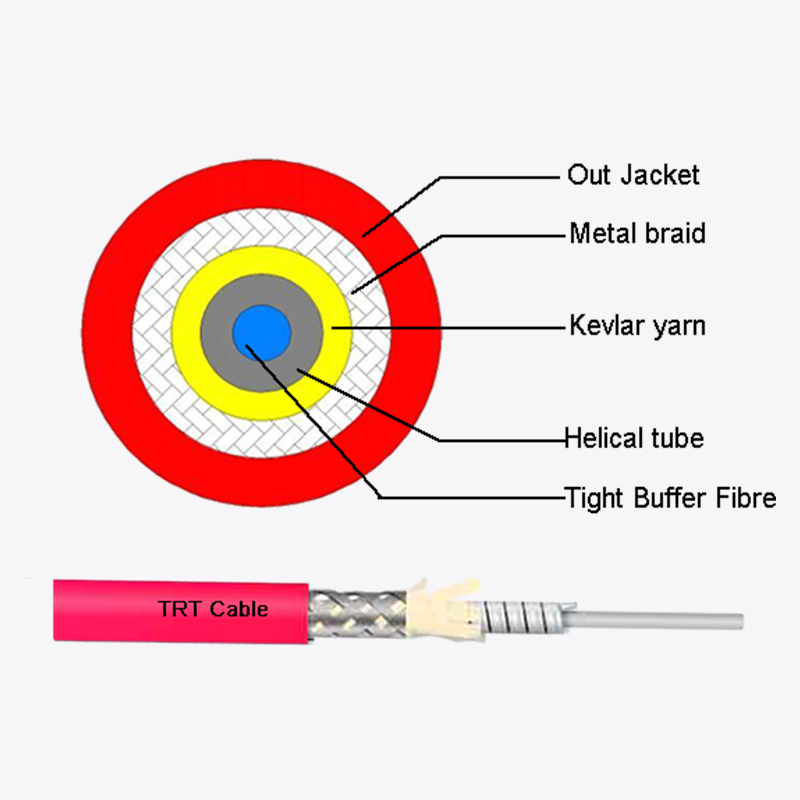
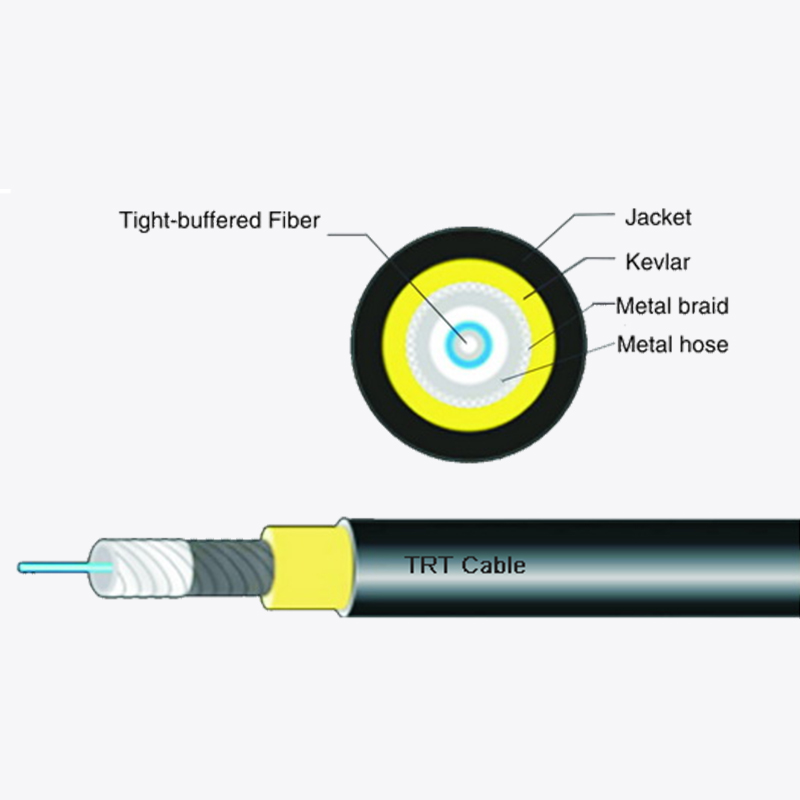
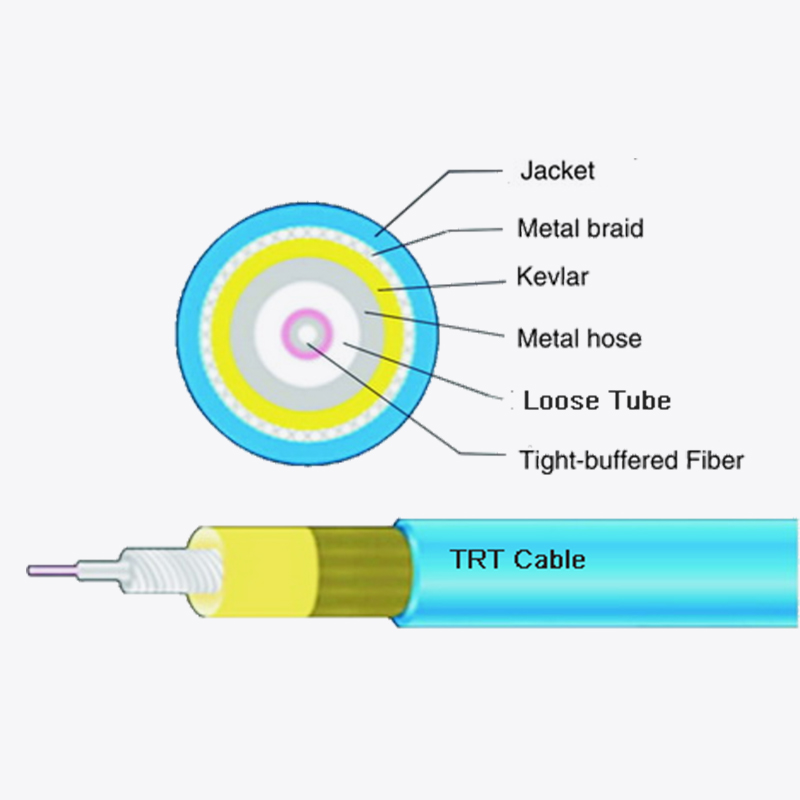
Interlocking armor is fabricated by spirally wrapping a metallic tape—typically aluminum or galvanized steel—around the inner optical core. This creates a highly flexible, robust sheath that provides excellent crush resistance and superior impact defense. Because of its helical design, interlocking armored fiber optic cables maintain an optimal bend radius, making them highly effective for intricate routing within dense industrial plants, vertical risers, and tight ceiling plenums where installers must navigate around existing structural beams and conduit systems.
Conversely, corrugated steel tape armor utilizes a longitudinal metallic wrap coated with a protective polymer layer. The tape is formed around the cable core with distinct corrugations that allow for controlled bending while providing a continuous, seamless metallic barrier. This construction delivers exceptional tensile strength and unmatched puncture resistance, making steel tape armored cable the preferred specification for direct burial installations. The continuous solid shield prevents sharp stones, roots, and underground construction tools from piercing the jacket and severing the internal buffer tubes.
Material Selection: Aluminum, Steel, and Specialized Outer Jackets
The choice of armoring metal directly impacts the cable's physical weight, flexibility, corrosion resistance, and installation complexity. Aluminum armor is chosen for its lightweight properties and superior flexibility, reducing installer fatigue during vertical pulls in multi-story shafts. Galvanized steel armor provides greater structural mass and higher impact thresholds, making it ideal for heavy industrial zones subject to heavy machinery vibrations and mechanical impacts.
Beyond the metallic layer, the external polymer jacket determines the cable's environmental resilience. High-Density Polyethylene (HDPE) jackets provide excellent resistance to moisture absorption, chemical exposure, and ultraviolet degradation, making them standard for outdoor direct-burial lines. Low Smoke Zero Halogen (LSZH) jackets are specified for indoor industrial applications, ensuring that if a fire occurs, toxic halogen gases and heavy smoke are minimized to protect personnel and sensitive electronic equipment in enclosed production areas.
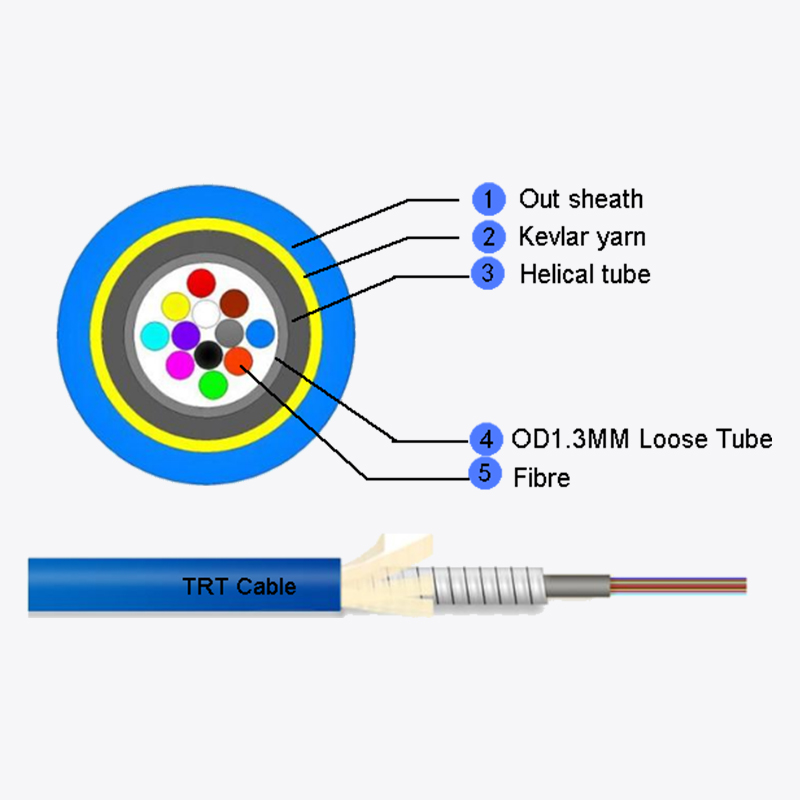
Structural Layer Analysis of Heavy Duty Fiber Optic Cable
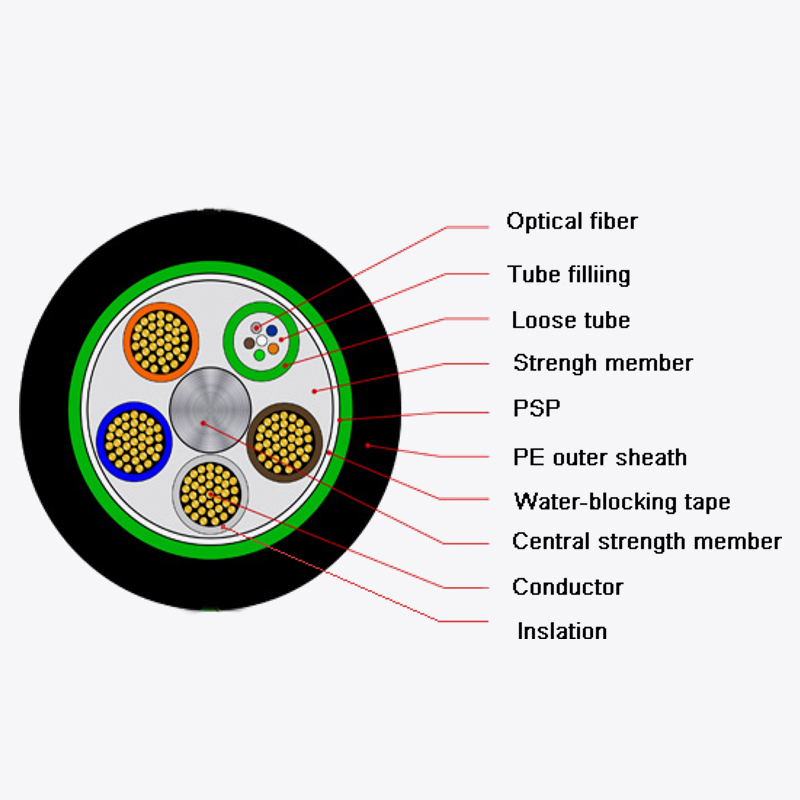
To visualize the cross-sectional architecture of a ruggedized fiber optic cable, the diagram below illustrates the concentric multi-layered defense mechanism built into a high-performance steel tape armored cable configuration.
When and Where to Deploy Armored Cables: Key Environments
Deploying ruggedized cabling is required in environments where standard optical patch cords or unarmored loose-tube cables would fail prematurely due to physical stress, moisture ingress, or biological interference.
Industrial Manufacturing Floors and Heavy Machinery Zones
Industrial processing facilities feature harsh mechanical hazards. Heavy equipment, automated assembly lines, robotic arms, and transport vehicles generate intense vibrations, physical shocks, and the constant threat of impact. Unarmored communication cables routed through open cable trays or shallow flooring voids can easily be crushed or crimped by maintenance traffic or falling machinery components.
Using armored fiber optic cables provides the mechanical strength needed to resist these forces. The internal metallic wrapping absorbs high impact loads and distributes localized pressures evenly across the surface area, protecting the delicate glass cores inside. This allows high-speed industrial Ethernet and automation control networks to operate without packet loss or signal attenuation caused by macrobending or physical fiber micro-fractures.
Underground Conduit Systems and Direct Burial Applications
Outdoor infrastructure requires cables that can withstand harsh underground environments. Outdoor links are typically routed through water-logged concrete ducts or buried directly into trenches filled with soil, aggregate, and rock. In these scenarios, the cable is subjected to continuous radial pressures, shifting soils, moisture absorption, and seasonal freeze-thaw cycles that expand the surrounding earth.
Specifying a direct burial fiber optic cable eliminates the need to install expensive PVC conduit piping throughout the entire trench run. The corrugated steel tape armor acts as a durable, continuous protective shield that resists puncture from sharp stones and withstands the heavy loads of earth-moving equipment operating above the trench line. Furthermore, the metallic barrier prevents water from migrating into the central core, eliminating the risk of ice crystal formation that can break optical fiber strands during freezing winter months.
| Deployment Environment | Primary Physical Threat | Recommended Armor Type | Jacket Material Option |
|---|---|---|---|
| Heavy Industrial Floors | Impact, Compression, Crushing | Interlocking Aluminum Armor | Flame-Retardant PVC / LSZH |
| Direct Shallow Burial | Shifting Soils, Rock Punctures | Corrugated Steel Tape Armor | Moisture-Resistant HDPE |
| Sub-floor Utility Voids | Rodent Damage, Heavy Cabling Weights | Steel Tape / Interlocking Steel | Standard Polyurethane |
| Long-Distance Cross-Country | High Tensile Load, Environmental Stress | Heavy Duty Corrugated Steel Tape | Double-Jacket HDPE |
Rodent-Infested Conduits and Sub-floor Voids
Biological factors present a significant threat to infrastructure reliability in urban and sub-floor areas. Rats, mice, and other rodents often nest in dark utility conduits, cable trays, and raised floors. Because these animals have a natural instinct to gnaw on materials to maintain their teeth, standard soft polymer cable jackets offer little resistance, allowing rodents to quickly chew through to the internal glass subunits.
Implementing a rodent-proof fiber optic cable provides an effective physical deterrent. When a rodent attempts to chew through the tough outer polymer layer, it meets the underlying metallic armor plate. The hard steel or aluminum barrier stops further penetration, keeping the internal fiber subunits safe and preventing costly network disruptions caused by vermin chewing through critical data trunk lines.
Long-Distance Network Infrastructure Requirements
Long-distance communication links span tens or hundreds of kilometers across regional networks, municipal rings, and cross-country pathways. These installations demand high mechanical stability and long-term durability from the physical layer components.
Tensile Strength and Pulling Tension in Inter-City Deployments
When installing a fiber optic cable used for long distance routing, the cable is exposed to extreme physical stress during deployment. Technicians use heavy winches and automated pullers to draw thousands of meters of cable through twisting underground conduits, around multiple bends, and up significant elevation changes. Unarmored cables can easily stretch under high pulling tensions, stressing the internal fibers and causing structural defects that degrade long-term light transmission.
A heavy duty fiber optic cable incorporates a strong metallic armor layer aligned with high-tensile aramid yarn strength members. This multi-layered design allows the cable to withstand high installation pulling forces without transmitting the physical tension to the glass cores inside. The structural armor bears the mechanical load, ensuring the cable maintains its physical integrity during long pulls through municipal duct networks.
Long-Term Reliability and Cost Analysis
While unarmored cables have a lower initial purchase cost, their total cost of ownership in harsh or long-distance applications can be significantly higher due to ongoing operational costs. A single cable failure caused by shifting soil, rodent damage, or environmental stress can result in expensive emergency repairs, extensive troubleshooting time, and costly operational downtime.
Investing in ruggedized armored options significantly reduces long-term maintenance expenditures. By protecting the network from mechanical and environmental failures, armored trunk lines deliver high reliability over service lifetimes exceeding two decades. This stability lowers operational overhead and yields a stronger return on infrastructure investment for enterprise facilities, manufacturing plants, and municipal networks alike.
Best Practices for Engineering and Installing Armored Cables
Proper installation practices are essential to ensure that armored infrastructure delivers its full protective benefits without complicating network termination or compromising safety protocols.
- Enforce Minimum Bend Radius Compliance: Armored variations possess a larger minimum bend radius than standard patch cables. Installers must maintain a minimum bend radius of 20 times the cable's outer diameter during installation pulls, and 10 times the outer diameter once secured in place, to prevent kinking the inner metallic wrap.
- Implement Electrical Grounding and Bonding: Because armored cables incorporate conductive metallic components, code requirements mandate that the armor layer be properly bonded to an electrical grounding busbar at every termination point, patch panel, and distribution junction enclosure to protect personnel and equipment from electrical faults.
- Utilize Precision Stripping Instruments: Removing metallic armor requires specialized armor cutters and rotary stripping tools. Standard utility knives can slip or cause deep cuts, damaging the inner buffer tubes and compromising the underlying optical glass strands.
- Maintain Adequate Slack Margins: Always include service loops and generous slack margins at both ends of a long-distance run and within intermediate pull boxes to accommodate physical building movement, thermal expansion, and soil shifting without placing stress on the connection points.
Frequently Asked Questions regarding Industrial Armored Cabling
Q1: Can armored fiber optic cables be installed inside standard indoor conduit runs?
Yes. Utilizing interlocking armored varieties within indoor applications eliminates the requirement for dedicated rigid electrical conduit systems, allowing installers to route the armored cable directly through open ceiling plenums and riser shafts to save time and reduce installation costs.
Q2: What is the mechanical difference between light-duty and heavy duty fiber optic cable?
Light-duty armored configurations typically feature a thin aluminum interlocking tape optimized for flexibility and rodent protection in indoor or protected conduit spaces. Heavy duty variations leverage thick corrugated steel tape layers combined with dual HDPE outer jackets to withstand direct soil burial and high mechanical crushing forces.
Q3: Is a direct burial fiber optic cable completely waterproof?
Direct burial cables are engineered to resist continuous moisture exposure through a combination of water-blocking gels or swellable yarns, an inner polymer jacket, a solid corrugated steel tape armor barrier, and a thick outer HDPE jacket. This multi-layered construction prevents moisture ingress from reaching the optical glass fibers.
Q4: How does steel tape armored cable protect against biological pests?
The continuous, hard surface of the corrugated steel tape layer creates a rugged mechanical barrier that rodents cannot pierce with their teeth, stopping them from chewing into the core and disrupting the network lines.
Q5: Does the addition of metallic armoring impact the optical transmission distance?
The metallic armoring layer provides purely structural protection and has no direct effect on optical transmission performance. By shielding the glass fibers from mechanical strain, macrobending, and micro-fractures, the armor ensures that long-distance runs maintain optimal signal integrity over extended operational distances.
 Address:Zhong'an Road, Puzhuang Town, Suzhou City, Jiangsu Prov., China
 Phone:+86-189 1350 1815
 Tel:+86-512-66392923
 Fax:+86-512-66383830
 Email:[email protected]
 Wechat: xiaobin18913501815
 whatsapp: +86 18913501815

 0
0